

How do I download keywords from Google Search Console?
You can download your website's keywords for free from the Google Search Console. Here's a tutorial with step-by-step instructions.
SEO for Food Bloggers: here's how food blogs do SEO
Top By Myriam Jessier•
No complicated code, no outdated advice, we are taking the time to share what we've learned after years of optimizing WordPress food blogs.
Longer content ranks better on Google. According to a study by SEMRush and Backlinko, the average word count of articles that rank on Google’s first search results page are between 1,000 and 1,900 words.
Google respects experts. If you know what you are talking about and actually spell it out for the rest of us, your content will rank well. High-quality content that’s well researched is heavily favored. So aim for that when you create content on your blog.
Provide more than just recipes to set yourself apart. Provide context and detailed information related to the recipe. Here are a few things you can use to inspire your copywriting efforts:
These angles are meant to help you rank better in Google while providing users some value.
Here are some recipes that will give you more flexibility and chances to rank in search engines. It will help you set yourself apart from the rest of the food bloggers out there. Here is how to identify one of those recipes:
It’s OK to publish popular recipes if you are able to showcase your expertise or unique value proposition.
If you review your content and find that you have a lot of similar recipes, create a list. We recommend creating lists like:
When speaking to readers that are beginners in a specific topic, avoid using technical terms or jargon. Use common English terms that most people understand.
People are super specific with their food searches. Many people will simply search for “pancake recipe” and click the first result. But most of us search with dietary restrictions in mind or recipes with a specific ingredient. Suddenly, that generic pancake query can turn into “gluten-free pancake recipe” or “fluffy buttermilk pancake recipe”. When you think about keywords, think about what people might be searching to find your blog. Are you a gluten-free blogger? If yes, then gluten-free might be a good keyword for you to use. Aim to use keywords that would likely be used by people who search for recipes. A few tips regarding keywords:
Do not try to compete with a recipe or topic that a well-known food blogger already wrote about. Keywords are more competitive. Research who ranks well for a specific keyword first. If you see big competitors, pick a different angle.
Psst, if you are into heavy-duty tutorials, here is an excellent way to get unlimited Google Search Console queries. Mike Ginley wrote it and we can only recommend his work.
Voice queries are usually more long tail and conversational. An example would be “What ingredients do I need to make gluten free pancakes?” We are more comfortable speaking to tech the way we speak to each other. And voice assistants are smart enough now to give us some great results. Google knows how to take into account context, conversation and meaning. So go ahead and use complete sentences and questions (with prepositions and articles).
Any basic article you write should include: a meta title, a meta description and a great regular article title. These items should feature relevant long tail keywords. Titles should be written using the priority keywords of your post. The title should match the URL and image names.
This is the title that shows up on the top of the browser and the title which will show up in a search result. Keep this short and sweet : recipe name or post name first and blog name second.
This description is 155 characters and used as a description under the meta title in search engine results. It’s a summary of the page’s content. If you don’t fill this out, you are wasting a free promotion opportunity. Something you should know: Google doesn’t always display the description. Sometimes they rewrite it if they don’t think yours is good enough.
Trust me, if people pay to advertise their contents, they are going to optimize their copywriting. They did the hard work. Now you can just reap the benefits!

Gather your top 3 competitors and run them through a tool like SERPstat or SEMRush. This will give you a lot of keywords to work with. Trust us, this will save you a lot of time and effort. You’ll be able to tell what’s already working and why. Identify keywords and articles that your competitors don’t do well in, learn from their mistakes and create content that is better.
Here’s the one thing you can do to help everyone including yourself: add a jumplink leading directly to the recipe if your post is a bit longer
ALT text provides Google with valuable information but it first and foremost for your users that rely on screen readers to figure out what they are “looking” at. By going the extra mile and filling this out for all of your recipe pics, you make your food blog a little more accessible for:
Some bloggers simply add the name of the recipe as alt text for all the images on a post. Go a step further and make each alt text description unique.
FAQs reflect the natural language and the way we search on Google. Using a FAQs section helps make your content voice-friendly. Include a section answering these questions to rank for long-tail keywords and voice searches.
There are several different types of tools out there. SERPstat is a cost-effective option for new bloggers. It has exactly the keyword research functionalities you need. Log in and type in the keyword you’re thinking about using for your recipe. SERPstat gives you:
Structured data helps us as we move into voice search. Google can read your recipes out loud in Google Home if you structure your recipes just right! Rich snippets include a photo, star rating, the number of reviews, calories and preparation time. Use a recipe plugin like WPRecipeMaker and Tasty Pins to help you use structured data. If you need help setting this up, get in touch with us.
The essentials are the recipe name, ingredients, and directions. Here are some of the sections you need to fill in when setting up a recipe card in your plugin:
Author name – your brand (personal name or blog name)
Prep & cook time – How long does it take?
Cuisine – Is it French, French-Canadian or Belgian?
Nutrition facts : calories should be provided.
Aggregate rating – Google and visitors alike like ratings. Encourage people to leave a rating in your post!
Keyword – One or two keyword phrases that describe what someone would say if they were searching by voice for your recipe (be specific – don’t just say something like “dessert” or “burger”; think of your keyword research that you did for the post).
Video – A video that depicts the recipe being made. This can be time consuming but rest assured that it’s not required.
Pro Tip: You can check to see if you’re missing any of the recommended components in the recipe structured data by using Google Search Console.
Links are a tricky thing. I devoted an entire article to the linkbuilding economy in Smashing Magazine. Feel free to do a deep-dive into how backlinks work to improve your SEO by reading it. Here is the shorter version: links are like karma in the eyes of search engines.
Pro tip: use anchor text that’s descriptive; it has to be an actual set of words. Avoid “click here for the recipe” and use things like “fluffy pancake recipe”. “click here” does not bring any value whereas “fluffy pancake recipe” describes what you are linking to.
Plug your recipes within your other recipes. People often between different recipes and websites before picking one. Internal linking gives you a chance to further appeal to visitors. It also helps bots discover your content so it’s a win-win!
Go to your dashboard>settings>permalinks to check out your permalinks if you use WordPress.
Pro tip: remove dates in the permalink if you are starting out or doing a redesign.
Broken external links in articles are flagged “dead link” in the list of references. To find them fast, check the complete list of articles. You have two choices to get your citation on there: you already have an article for this or you write one! Then, you get in touch with the Wikipedia editor to suggest that they replace the dead link with yours (we are Wikipedia editors so get in touch and maybe we’ll be able to give you advice).

Find new co-conspirators with whom you can co-create a recipe or a cookbook or make a video with. On top of that, you won’t be lonely! Collaborate and co-create content with other food bloggers to build backlinks for the long run.
Link out to other websites because Google is very keen to know where you source your information from. This is a signal that you are trustworthy as a content producer. Outbound links should be relevant and high-quality.
If you add multiple links to the same page in an article, Google will ignore all the other links that come after the first one. Avoid using duplicate links in the same webpage and give other pages a link instead.
A simple but often overlooked SEO trick for food blogs is to use a healthy mix of keyword rich anchor texts for your internal linking. Use your keywords in text links a little more often than you normally do and it should help give a little more SEO-love to your content in the eyes of search engines.
We presented A LOT of information. It’s impossible to be perfect at everything SEO-related. Google algorithms are updated regularly. That’s OK! Just put into place as many aspects as possible and you’ll start seeing your organic traffic grow! Be patient – SEO happens over time; it’s a long-term strategy but it pays off. Many users are searching for recipes that meet certain criteria. For one, instead of typing ‘cinnamon rolls recipe’, people might search for something like ‘cinnamon rolls with cream cheese frosting recipe.’ Therefore, it is important to create long-tail keywords to make your food blog visible for those who look for specific recipes. It will not only increase your search rankings but also make your website more competitive among other similar platforms.
About the author
Myriam Jessier
SEO & GEO Consultant, Advisor to Pragm
Myriam Jessier co-founded Pragm and stepped back from the day-to-day team a few years ago. They now act as Pragm's GEO consultant and SEO strategist, advising the agency from outside.
You can download your website's keywords for free from the Google Search Console. Here's a tutorial with step-by-step instructions.
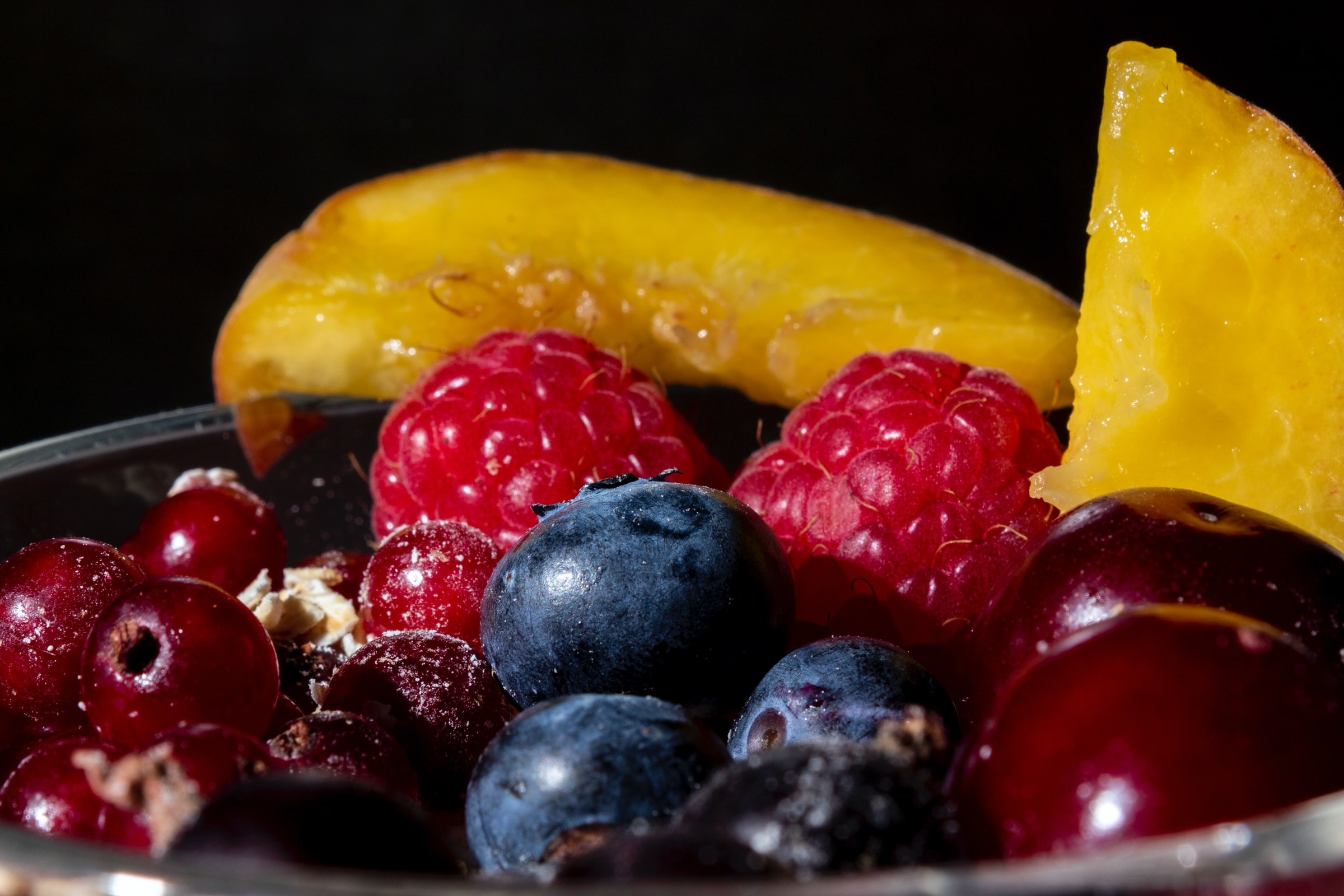
Food blogging is one of the most competitive niches on Google. Here are some useful tips to help you rank your recipes and articles.